Non-Surgical Management of ACL Injury
Recent evidence shows that surgery is not the only path to recovery. At Reviver, we offer proven non-surgical ACL rehabilitation that gets you back to sport — without going under the knife.
"When MRI shows an ACL tear, surgery is the only option. All healthcare professionals in Indonesia recommend ACL Reconstruction as the standard treatment."
Recent studies show that Non-Surgical ACL rehabilitation is just as effective as surgery. The risk of osteoarthritis, knee pain, and return to sport is the same either way.
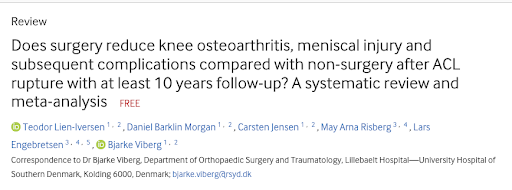
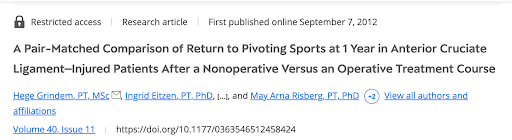
The studies above confirm: ACL surgery is NOT superior to Non-Surgical ACL rehabilitation. The recovery outcome for your knee is the same — whether operated on or not.
The ACL Ligament Can Heal Naturally
10–20 years ago, experts believed the ACL had no capacity for self-healing — so all ACL injuries were sent straight to surgery. Recent studies have overturned this. With the right management and rehabilitation, the ACL ligament can heal and recover naturally.
Success rate of the Cross-Bracing Protocol — a non-surgical ACL management method proven in recent clinical studies.
Cross-Bracing Protocol
The knee is supported in a brace for 3–6 months to enhance the ACL ligament's natural healing capacity. Muscle training around the knee continues throughout the bracing period.
✓ Up to 90% success rateMelbourne ACL Rehab Protocol
A structured strengthening program targeting the structures around the knee. If done correctly and with discipline, this approach can restore full knee function without surgery.
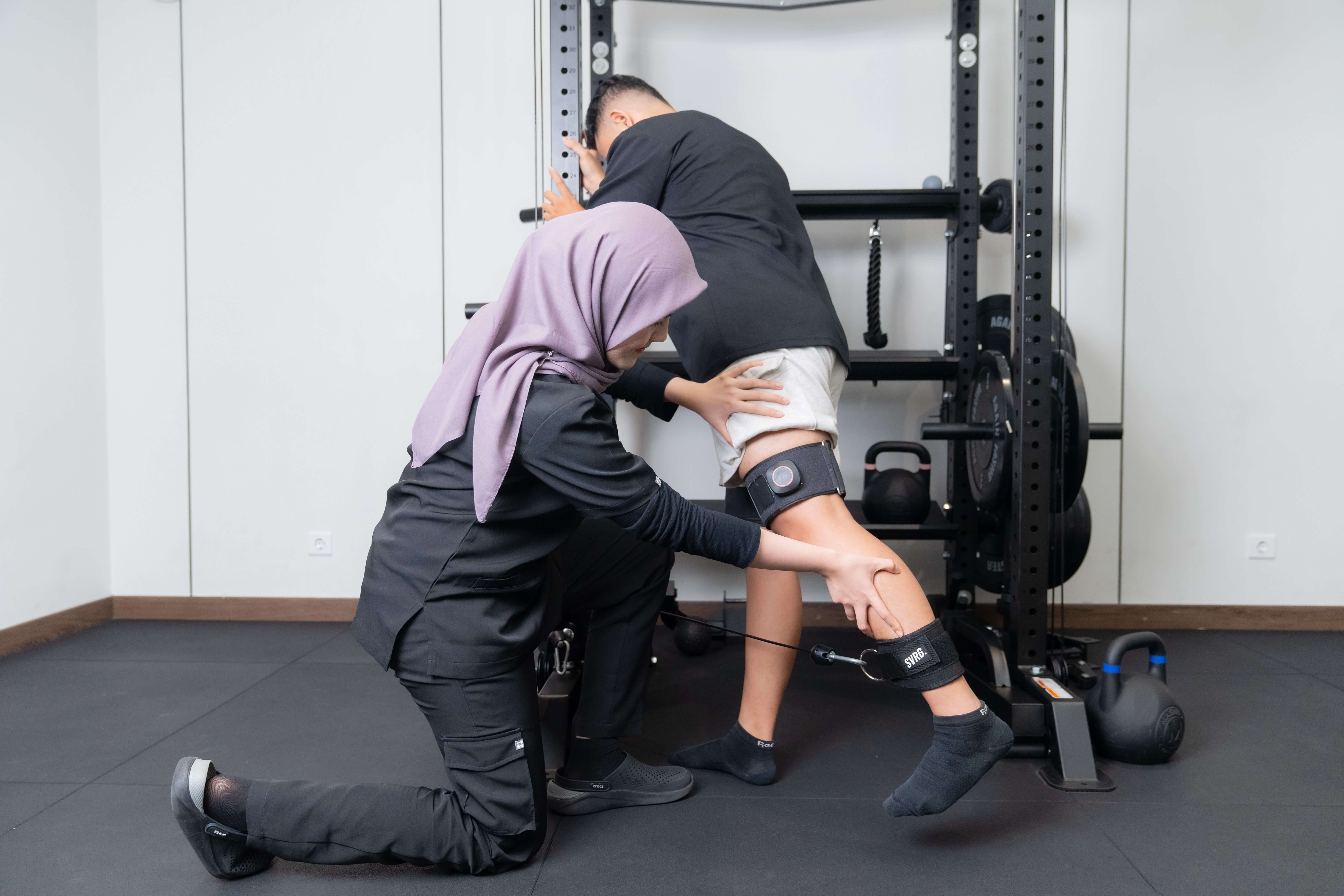
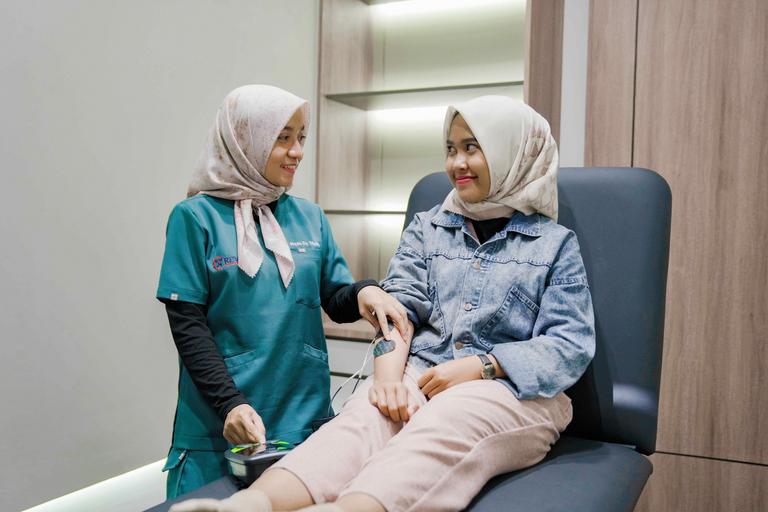
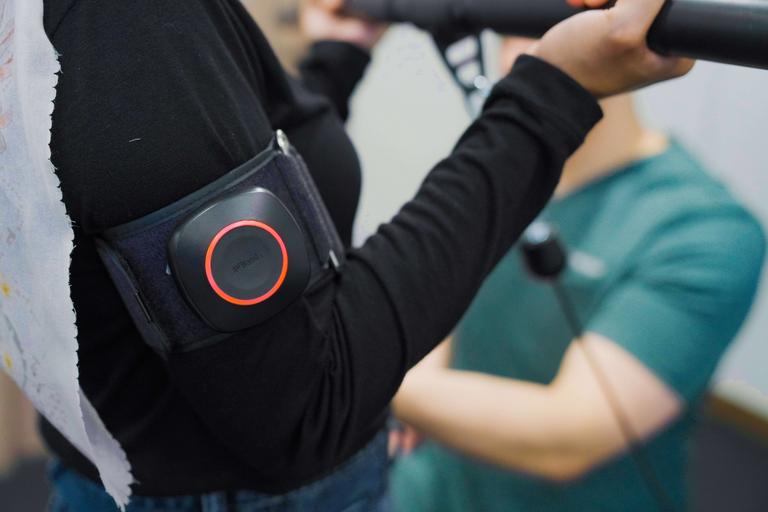
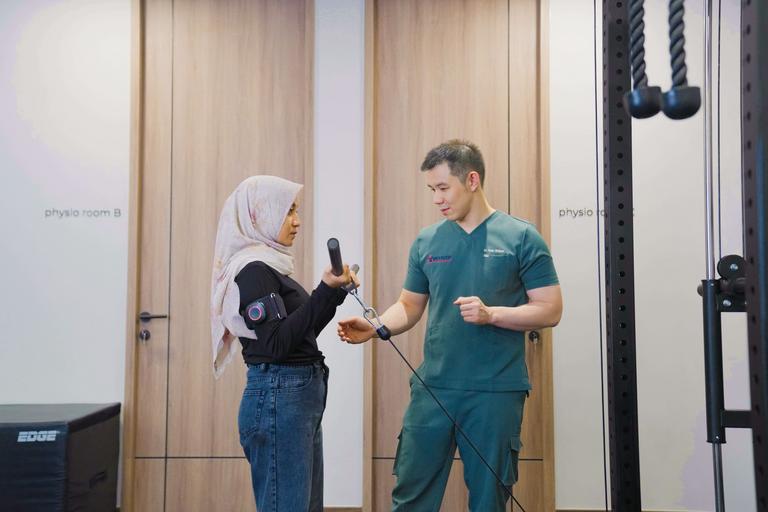
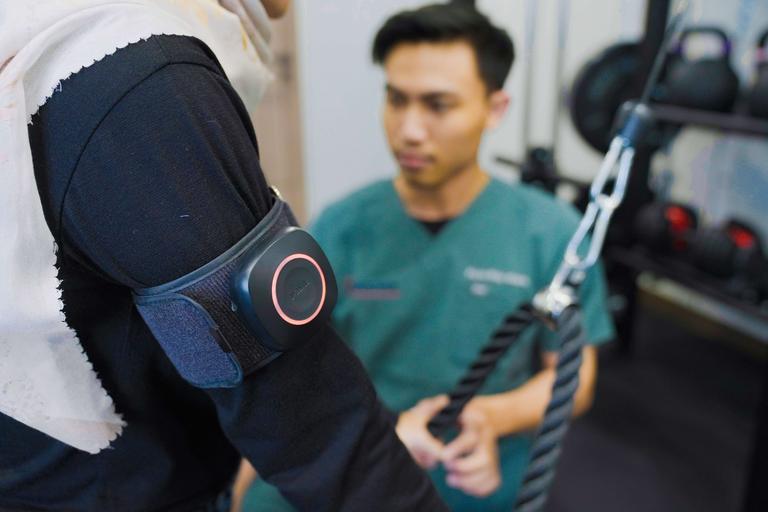
Blood Flow Restriction Training
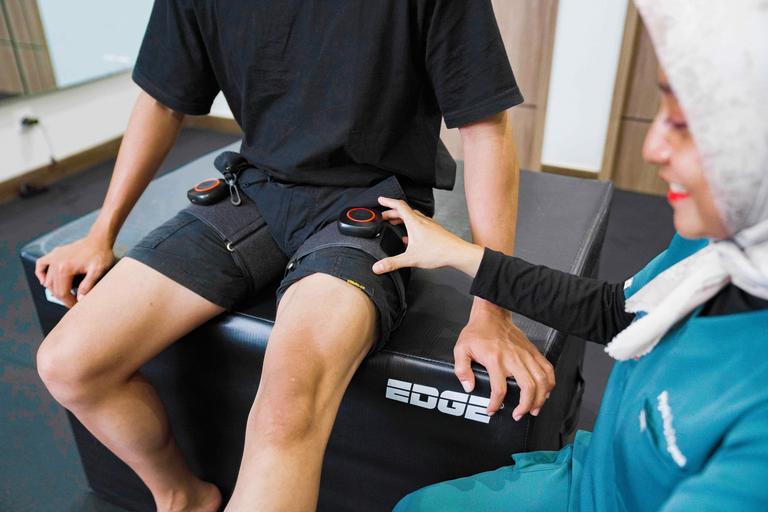
We use a specialised Blood Flow Restriction device to stimulate the muscles, enabling faster gains in muscle mass and strength — especially important during the early, protected phase of ACL recovery.
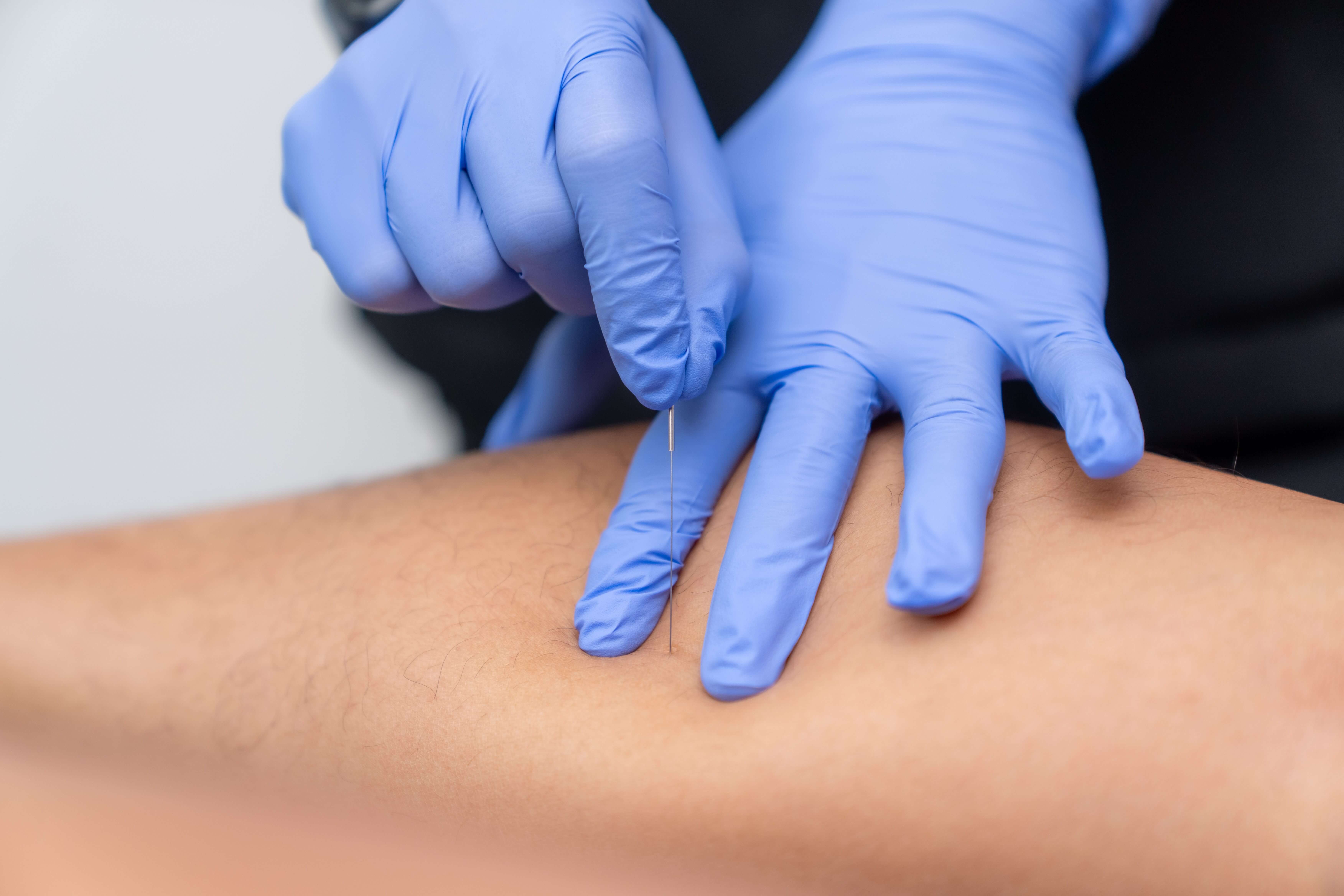
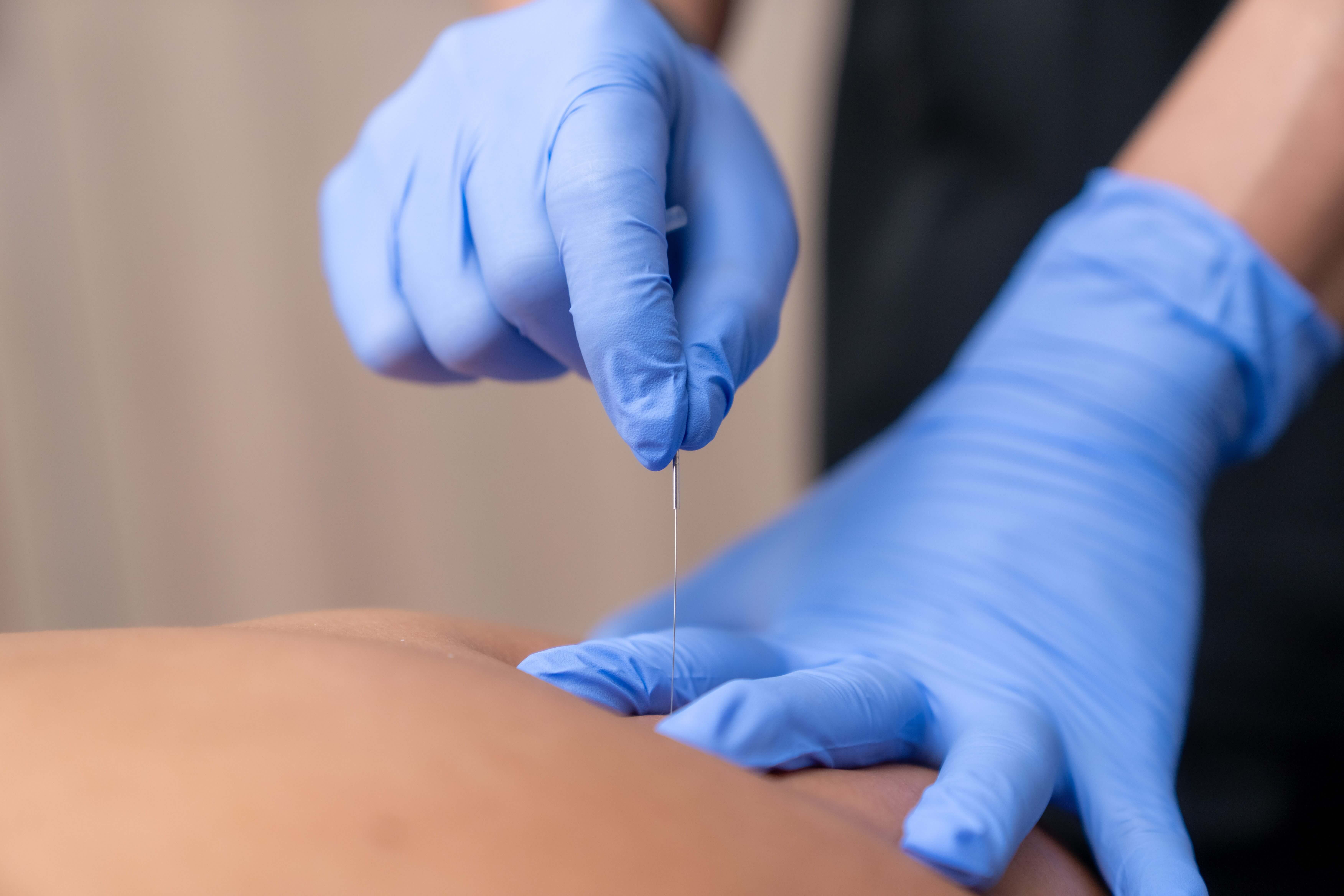
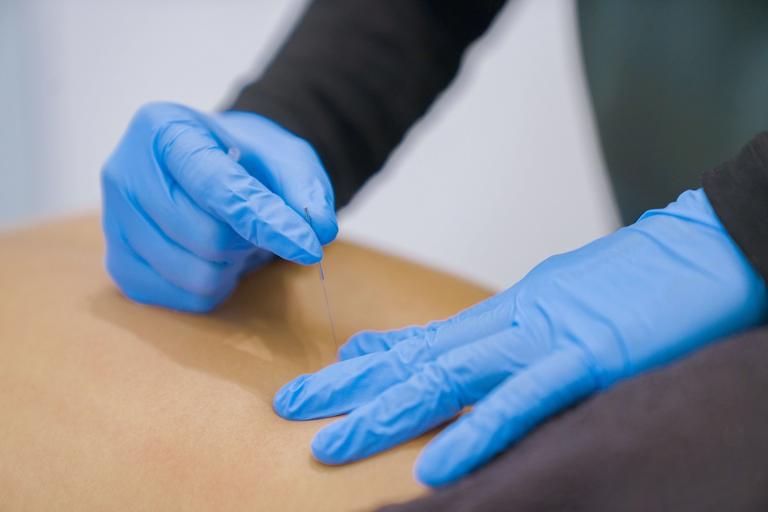
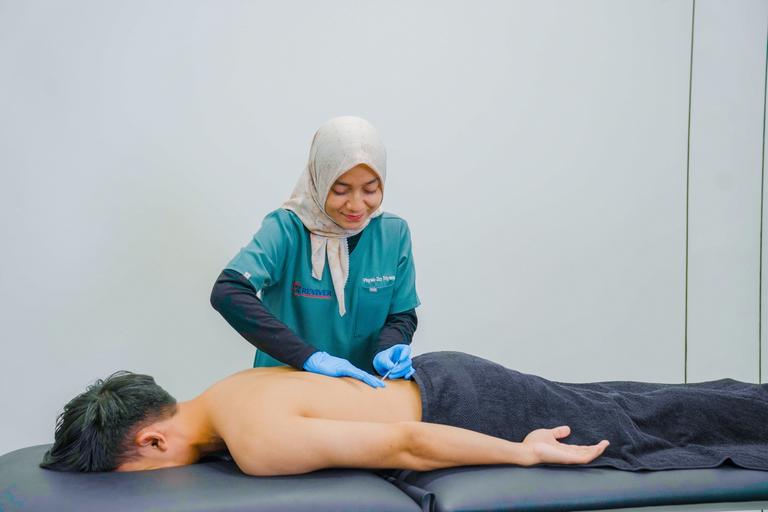
Dry Needling
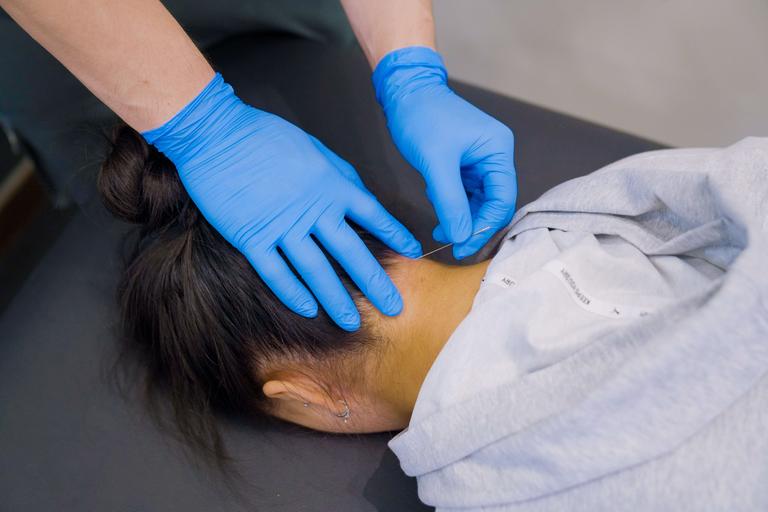
We use the Australian Dry Needling technique to reduce pain and release tension in tight muscles — helping manage discomfort throughout the rehabilitation process.
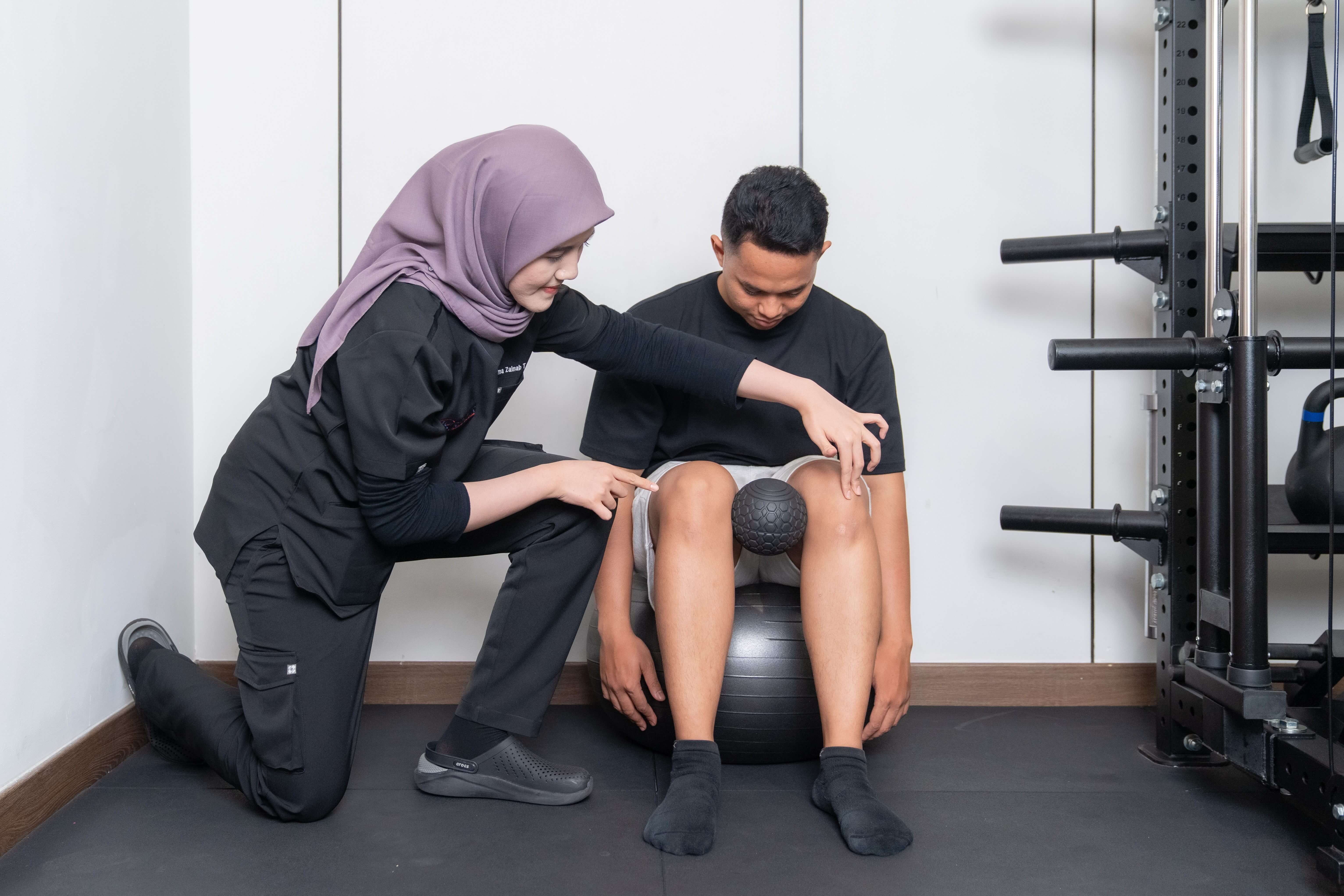
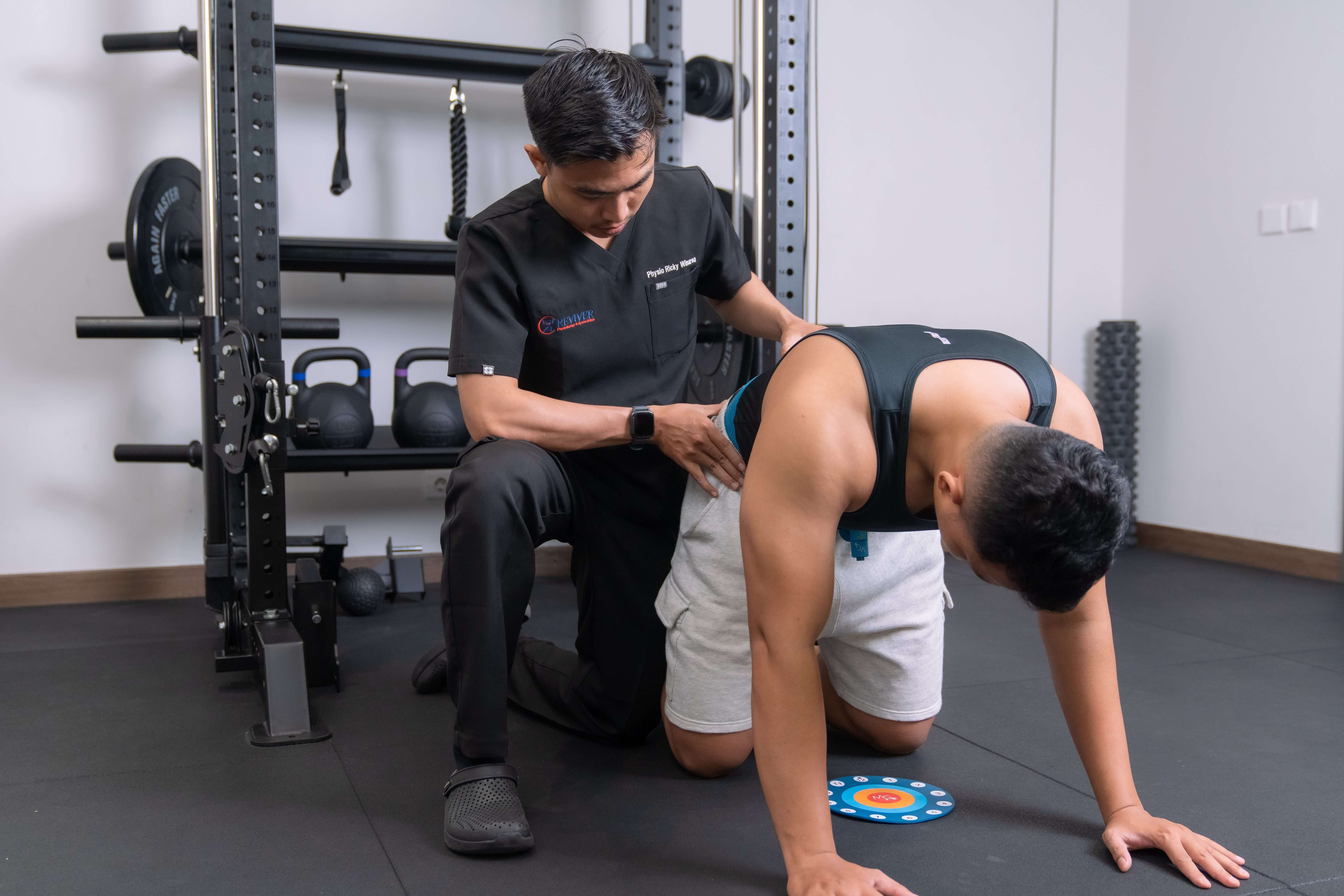
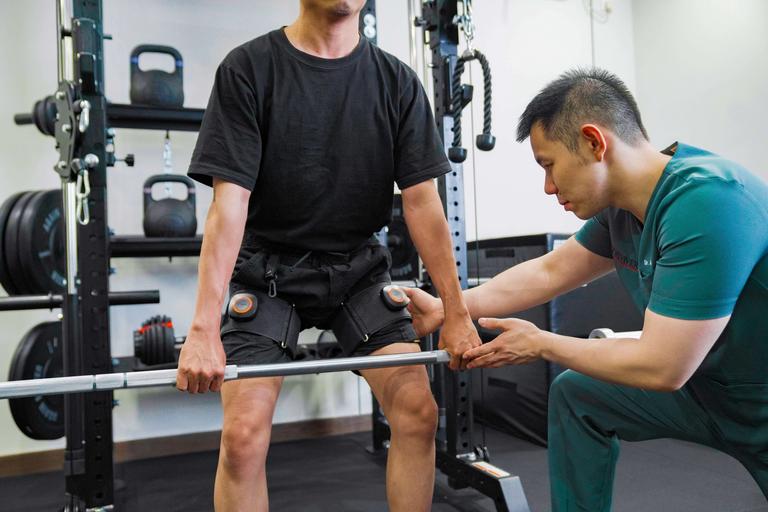
Knee Stability & Proprioception Training
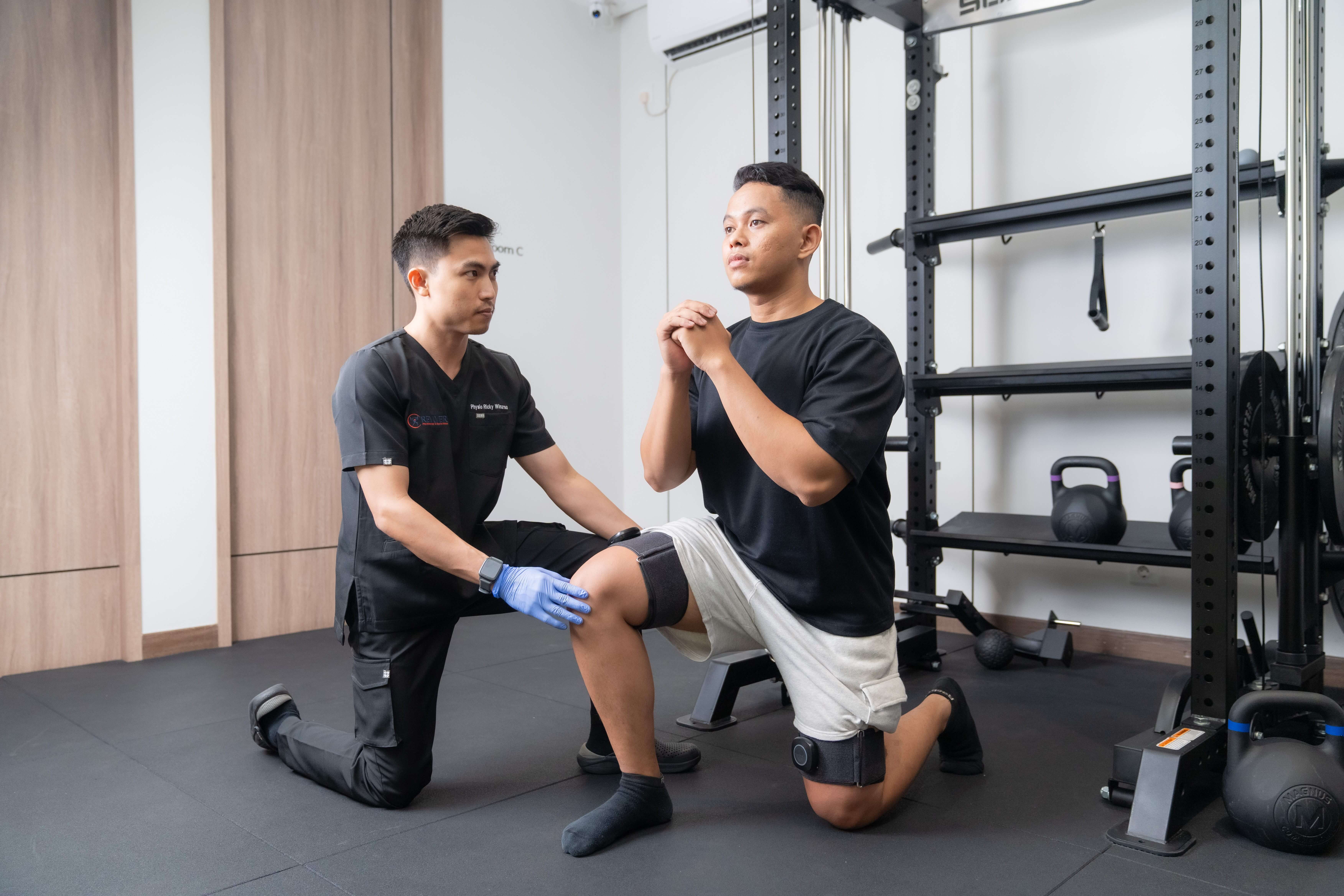
Using a motion guidance device, we train knee stability and balance — restoring the neuromuscular control that is critical for a safe return to sport.
We'll Find the Best Approach for Your ACL
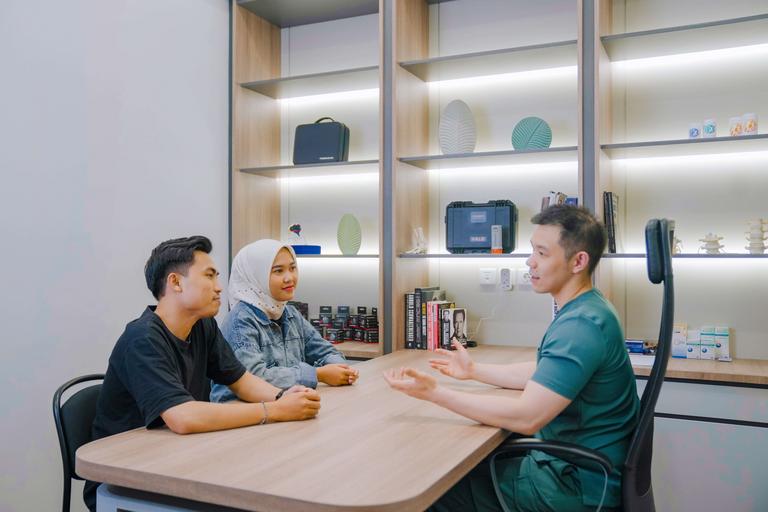
To determine the most suitable therapy for your condition, our team conducts a thorough assessment — reviewing your specific circumstances, progress, and goals before recommending a protocol.